As we reach the end of 2025, it is a moment to take stock of medical education: what has changed, and what may lie ahead in 2026, both in Oxford and nationally. The past few years have brought perhaps more change to undergraduate training than at any time in recent memory, with I suspect further changes still to come.
Perhaps the most significant development has been the introduction of the Medical Licensing Assessment (MLA): the first national qualifying examination that all medical students must pass, sat for the first time by our students in January 2025. Although first proposed as far back as 2005, its implementation marks a significant step change.
A single qualifying exam inevitably raises questions about medical schools’ autonomy and, for us in Oxford (and for others elsewhere), how we preserve what is distinctive about our degree programmes. Curricula follow assessment and with a nationally mandated exam, how much latitude remains for local curricular identity? Will a single exam eventually lead to a single national curriculum? For now, I hope not: the individuality of each medical school is a strength worth protecting and what we hope attracts the brightest and best here in Oxford.
On that note, some you will have read the NHS Long Term Workforce Plan (2023), which proposed the largest expansion of undergraduate medical places ever seen: a doubling of medical school places from 7,500 to 15,000. That raised immediate questions. Would this expansion be delivered through new medical schools, the growth of existing ones, or new routes into medicine? And what would it mean for Oxford? The stated priorities were clear: prioritising shorter course (perhaps Graduate Entry Medicine, or perhaps a 4-year school-leaver UG degree programme?); widening participation in medicine to those from backgrounds underrepresented in medicine and aligning undergraduate education and outcomes with future service needs (greater care in the community, better distribution of the workforce to underserved and rural areas, and increasing use of digital technologies).
Since then, things have fallen slightly quieter. A new government, shifting spending priorities, and a more constrained financial environment mean a refreshed workforce plan is still awaited. One thing appears certain: there is less money than anticipated, and the scale of expansion will likely be smaller, but we will see what 2026 brings. For now, here in Oxford we’ve created a small number of extra places in Graduate Entry Medicine, mindful of the need to protect the quality of training and student experience whilst responding to the national need.
I’m aware also that many students worry about the numbers outlook, beyond medical school in postgraduate training with reports of training bottlenecks. I was pleased to see the first part of the Medical Training Review published in October 2025 (by two Oxford alumni: Prof Chris Whitty and Prof Steve Powis) recommending addressing these bottlenecks urgently – let’s hope that this happens and with the urgency recommended.
Beyond (but maybe aligned to) numbers, digital technologies will remain a central theme into 2026. How should we use digital tools to support learning, and how can simulation best prepare students for foundation training? Reflecting on student numbers, simulation has been pitched to help expand teaching capacity where clinical placements are stretched. We are fortunate in Oxford to have the internationally recognised OxSTaR simulation centre who have also been pioneering the use of virtual reality learning in curriculum. Understanding how to integrate this effectively into our curriculum (even without a change is numbers but for the educational value) is an exciting challenge and one to look forward to.
And then, of course, there is AI. It is impossible to write about the future of education without acknowledging its impact. The question is not whether AI will shape learning, but how we can integrate it meaningfully without allowing it to erode the core skills that define undergraduate study and clinical practice: clinical reasoning, critical thinking, and critical appraisal. I’m sure there will be lots of interesting discussion (and some new teaching!) about this into 2026.
Oxford has long played an important role in shaping medical education, and maintaining that leadership matters. We have an opportunity not only to deliver world-class education, but also to contribute to the national conversation about what undergraduate medical education should look like in the years ahead. And as always, students are central as the next generation of the NHS workforce. Do get in touch if you’re interested in discussing – I’d love to hear your thoughts, and I look forward to seeing what 2026 holds for medical education.
-
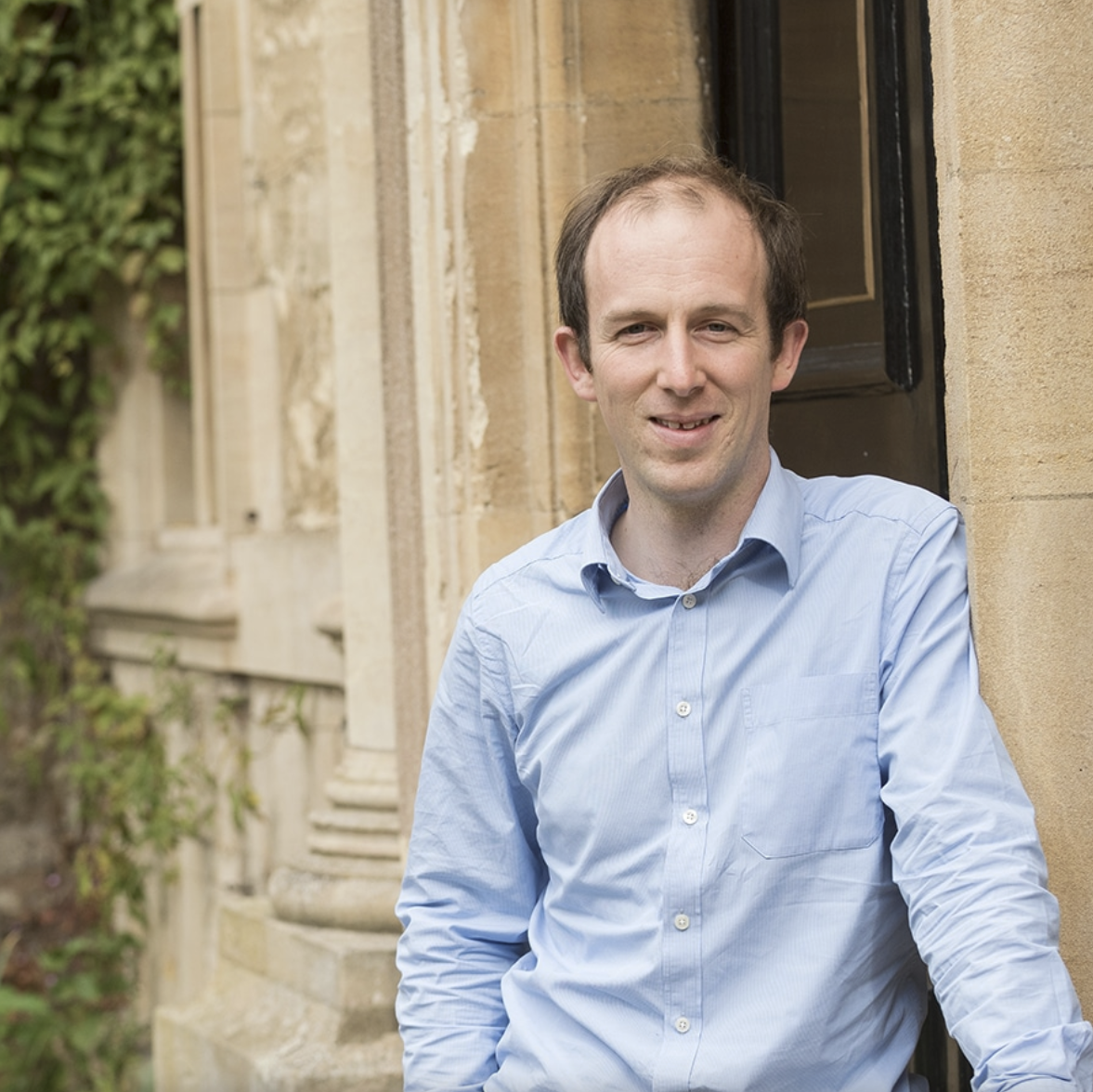
Director of Graduate Entry Medicine at the University of Oxford
As we reach the end of 2025, it is a moment to take stock of medical education: what has changed, and what may lie ahead in 2026, both in Oxford and nationally. The past few years have brought perhaps more change to undergraduate training than at any time in recent memory, with I suspect further changes still to come.
Perhaps the most significant development has been the introduction of the Medical Licensing Assessment (MLA): the first national qualifying examination that all medical students must pass, sat for the first time by our students in January 2025. Although first proposed as far back as 2005, its implementation marks a significant step change.
A single qualifying exam inevitably raises questions about medical schools’ autonomy and, for us in Oxford (and for others elsewhere), how we preserve what is distinctive about our degree programmes. Curricula follow assessment and with a nationally mandated exam, how much latitude remains for local curricular identity? Will a single exam eventually lead to a single national curriculum? For now, I hope not: the individuality of each medical school is a strength worth protecting and what we hope attracts the brightest and best here in Oxford.
On that note, some you will have read the NHS Long Term Workforce Plan (2023), which proposed the largest expansion of undergraduate medical places ever seen: a doubling of medical school places from 7,500 to 15,000. That raised immediate questions. Would this expansion be delivered through new medical schools, the growth of existing ones, or new routes into medicine? And what would it mean for Oxford? The stated priorities were clear: prioritising shorter course (perhaps Graduate Entry Medicine, or perhaps a 4-year school-leaver UG degree programme?); widening participation in medicine to those from backgrounds underrepresented in medicine and aligning undergraduate education and outcomes with future service needs (greater care in the community, better distribution of the workforce to underserved and rural areas, and increasing use of digital technologies).
Since then, things have fallen slightly quieter. A new government, shifting spending priorities, and a more constrained financial environment mean a refreshed workforce plan is still awaited. One thing appears certain: there is less money than anticipated, and the scale of expansion will likely be smaller, but we will see what 2026 brings. For now, here in Oxford we’ve created a small number of extra places in Graduate Entry Medicine, mindful of the need to protect the quality of training and student experience whilst responding to the national need.
I’m aware also that many students worry about the numbers outlook, beyond medical school in postgraduate training with reports of training bottlenecks. I was pleased to see the first part of the Medical Training Review published in October 2025 (by two Oxford alumni: Prof Chris Whitty and Prof Steve Powis) recommending addressing these bottlenecks urgently – let’s hope that this happens and with the urgency recommended.
Beyond (but maybe aligned to) numbers, digital technologies will remain a central theme into 2026. How should we use digital tools to support learning, and how can simulation best prepare students for foundation training? Reflecting on student numbers, simulation has been pitched to help expand teaching capacity where clinical placements are stretched. We are fortunate in Oxford to have the internationally recognised OxSTaR simulation centre who have also been pioneering the use of virtual reality learning in curriculum. Understanding how to integrate this effectively into our curriculum (even without a change is numbers but for the educational value) is an exciting challenge and one to look forward to.
And then, of course, there is AI. It is impossible to write about the future of education without acknowledging its impact. The question is not whether AI will shape learning, but how we can integrate it meaningfully without allowing it to erode the core skills that define undergraduate study and clinical practice: clinical reasoning, critical thinking, and critical appraisal. I’m sure there will be lots of interesting discussion (and some new teaching!) about this into 2026.
Oxford has long played an important role in shaping medical education, and maintaining that leadership matters. We have an opportunity not only to deliver world-class education, but also to contribute to the national conversation about what undergraduate medical education should look like in the years ahead. And as always, students are central as the next generation of the NHS workforce. Do get in touch if you’re interested in discussing – I’d love to hear your thoughts, and I look forward to seeing what 2026 holds for medical education.
-
Director of Graduate Entry Medicine at the University of Oxford