

Year Ahead
Descended from the Gazette’s tradition of inviting Regius and Nuffield professors to be contributors, the Year Ahead section invites world-leading academics, physicians, politicians, and industry figures to offer their reflections on the year behind and predictions for the year ahead, in their subject of expertise – adopting a format similar to The Economist‘s World Ahead.
Our Year Ahead writers this year include:
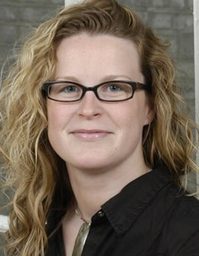 Flora Graham
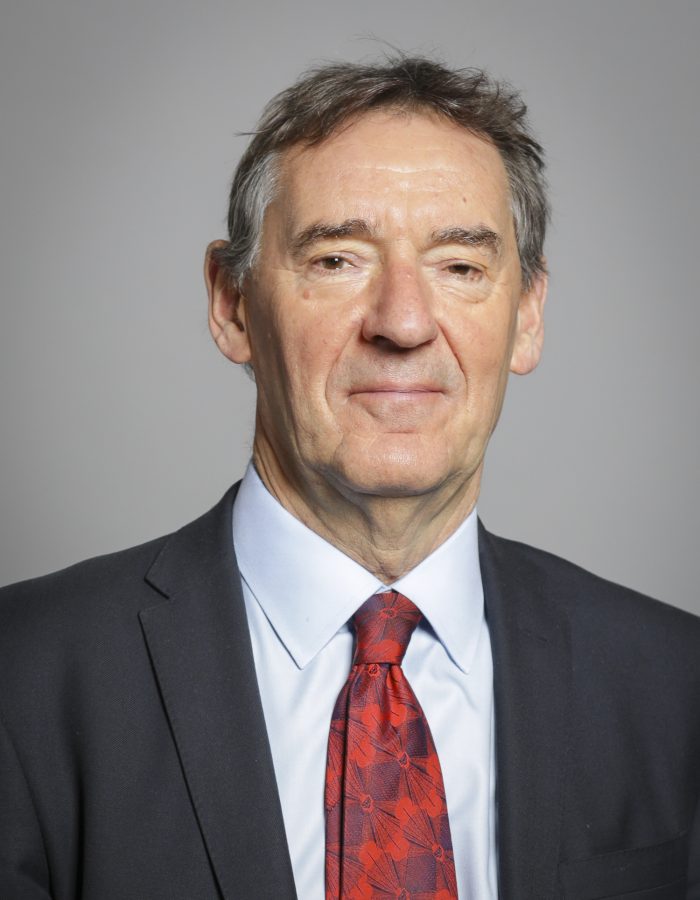 Lord Jim O’Neill
 Matt Hancock
 Lord Nigel Crisp
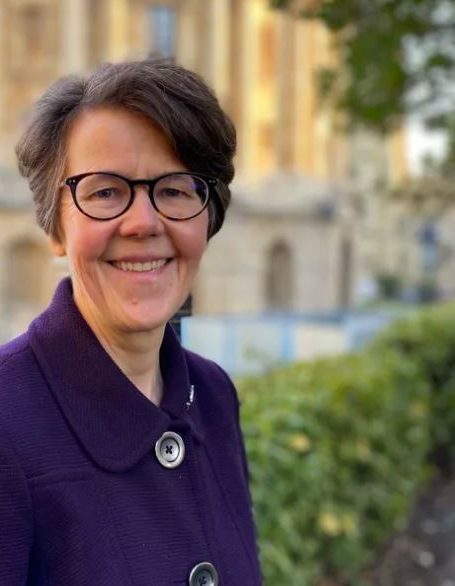 Professor Marian Knight
 Professor Matthew Weait
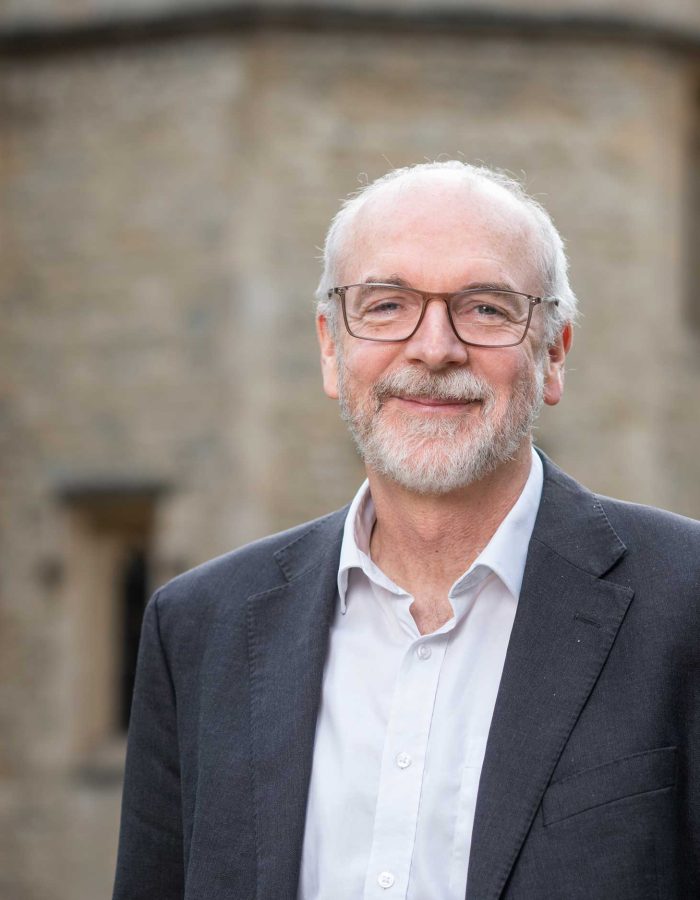 Professor Sir Andrew Pollard
-

AI, Medicine, and the Inherence of Uncertainty
Dr Jack Amiry, Stipendiary Lecturer at Pembroke College, discusses attitudes towards AI and its developing role in medicine.
-

The future of hearing research: Solving the cocktail party problem
Associate Prof. Kerry Walker, Tutorial Fellow in Medical Sciences at Exeter College and Deputy Director of Biomedical Science in the Medical Science Division, explores the future of hearing research.
-

Gene Therapy and the Future of Neurodegenerative Disease
Prof. Mary McMenamin, Departmental Lecturer at the Department for Physiology and Genetics, summarises promising avenues in gene therapy development for neurodegenerative disease.
-

The Converging Frontiers of Neurocardiology with Bioelectronic Medicine and Gene Therapy to treat Arrhythmias
Prof. David Paterson, Professor of Physiology & Fellow of Merton College and Head of Department of Physiology, Anatomy & Genetics explores neurobiological treatments for arrythmias.
-

Harnessing AI to Serve Humanity: A Seasoned View
The Rt Hon Matt Hancock, former UK Health Secretary, discusses AI’s role in healthcare innovation.
-

Future Maternal and Perinatal Health – thinking across disciplines both within and beyond medicine
Prof. Marian Knight MBE, Director of the National Perinatal Epidemiology Unit, outlines the next steps for maternal and perinatal health in the UK.
-

Progress and Precarity in HIV/AIDS
Professor Matthew Weait, Emeritus Professor of Law and Society and Chair of the National AIDS Trust, details the current state of HIV/AIDS treatment, patient rights, and public policy.
-
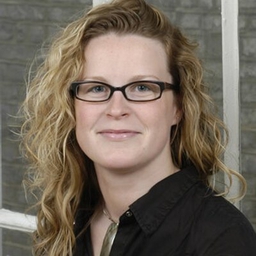
The Year Ahead: the theme is trust
Flora Graham, Senior Editor of the Nature Briefing, delves into the value of trust in science during an unprecedented era of misinformation.
-
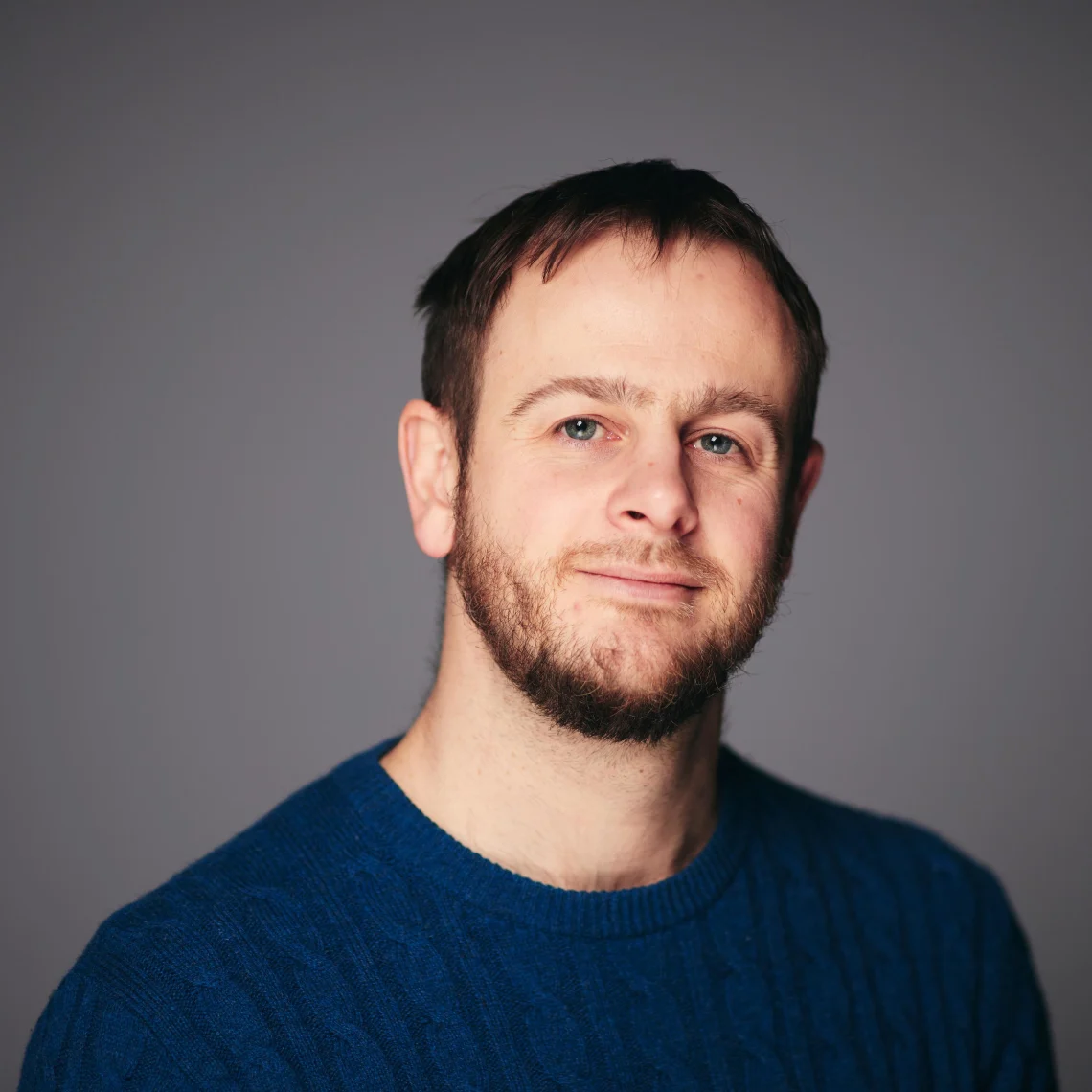
Why sustainability matters for vaccines of the future
Dr Sean Elias, previously part of the Oxford/AstraZeneca Covid-19 vaccine team, explains how sustainability can be improved in vaccine production and delivery.
-

Health is made at home, hospitals are for repairs
Lord Nigel Crisp, former NHS Chief Executive, discusses the benefits of greater emphasis on disease prevention and community outreach in NHS health strategy.
-
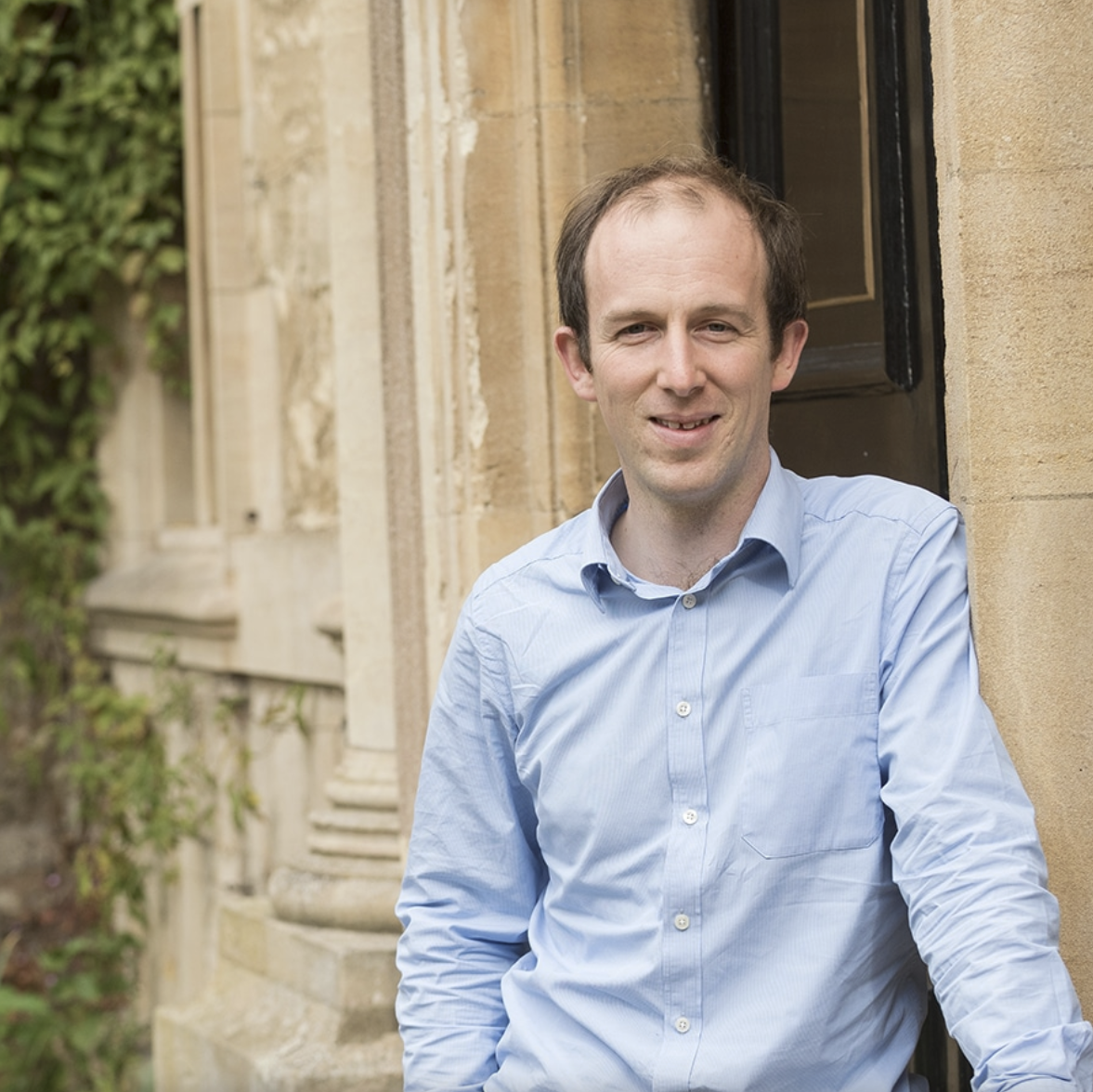
Medical Education in the Coming Year
Dr David McCartney, Director of Graduate Entry Medicine, discusses the future of Medical Education in the coming year.
-

AI, Medicine, and the Inherence of Uncertainty
Dr Jack Amiry, Stipendiary Lecturer at Pembroke College, discusses attitudes towards AI and its developing role in medicine.
-

The future of hearing research: Solving the cocktail party problem
Associate Prof. Kerry Walker, Tutorial Fellow in Medical Sciences at Exeter College and Deputy Director of Biomedical Science in the Medical Science Division, explores the future of hearing research.
-

Gene Therapy and the Future of Neurodegenerative Disease
Prof. Mary McMenamin, Departmental Lecturer at the Department for Physiology and Genetics, summarises promising avenues in gene therapy development for neurodegenerative disease.
-

The Converging Frontiers of Neurocardiology with Bioelectronic Medicine and Gene Therapy to treat Arrhythmias
Prof. David Paterson, Professor of Physiology & Fellow of Merton College and Head of Department of Physiology, Anatomy & Genetics explores neurobiological treatments for arrythmias.
-

Harnessing AI to Serve Humanity: A Seasoned View
The Rt Hon Matt Hancock, former UK Health Secretary, discusses AI’s role in healthcare innovation.
-

Future Maternal and Perinatal Health – thinking across disciplines both within and beyond medicine
Prof. Marian Knight MBE, Director of the National Perinatal Epidemiology Unit, outlines the next steps for maternal and perinatal health in the UK.
-

Progress and Precarity in HIV/AIDS
Professor Matthew Weait, Emeritus Professor of Law and Society and Chair of the National AIDS Trust, details the current state of HIV/AIDS treatment, patient rights, and public policy.
-

The Year Ahead: the theme is trust
Flora Graham, Senior Editor of the Nature Briefing, delves into the value of trust in science during an unprecedented era of misinformation.
-

Why sustainability matters for vaccines of the future
Dr Sean Elias, previously part of the Oxford/AstraZeneca Covid-19 vaccine team, explains how sustainability can be improved in vaccine production and delivery.
-

Health is made at home, hospitals are for repairs
Lord Nigel Crisp, former NHS Chief Executive, discusses the benefits of greater emphasis on disease prevention and community outreach in NHS health strategy.
-

Medical Education in the Coming Year
Dr David McCartney, Director of Graduate Entry Medicine, discusses the future of Medical Education in the coming year.