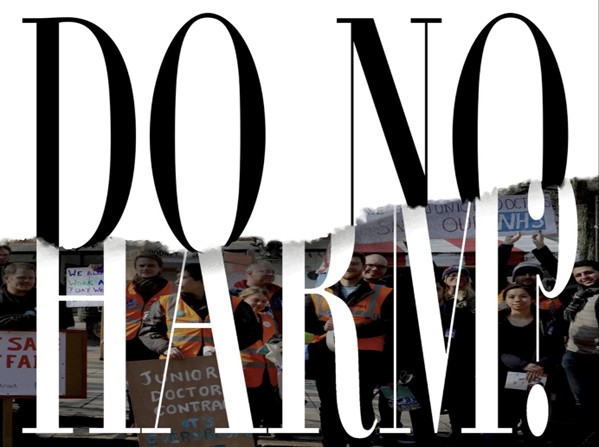
As a medic, there is a level of discomfort in writing a piece against striking. Since our med school interview days, the stock answer to whether doctors should be allowed to strike has come with the same caveat: yes, as long as patient safety is maintained. Doctors are, after all, workers like any other, and martyrdom should not be a prerequisite of the job. Yet, under scrutiny, this answer tends to unravel – particularly after fourteen rounds of strikes since 2023, the long-term consequences of which will inevitably be felt by patients.
Strikes are costly to the NHS. During previous walkouts, shifts have largely been covered by consultants, which in the long term could be deeply damaging: overtime does not come cheap. The summer strikes alone cost the NHS £300m, and the Christmas strikes are estimated to cost around £240m. This diverts desperately needed money from improving services, cutting waiting lists, and maintaining a system already under immense strain – a reality reinforced by the daily headlines. After years of strikes, it may be time to consider whether this is a fight worth winning.
However, strikes don’t just mean paying for additional cover. A sixth-year medical student described placements where students were either turned away due to unsafe ratios or asked to take on responsibilities beyond their competence. While some welcomed the chance to help, others felt pressured and out of their depth. Consultants have also ‘noticed successive cohorts of juniors with fewer skills’.
As we are reminded in medical school, every shift is an opportunity to learn. So, when medical students are turned away, or put in situations they are not adequately prepared for, these opportunities are wasted. The same applies to resident doctors who are missing periods of clinical work to strike: medicine is a profession of lifelong learning, which could be eroded by constant absences. The cumulative effect is hard to ignore – the production of a generation of doctors who are less prepared and experienced will have an impact on quality of care.
Furthermore, if consultants are covering ward shifts, then services such as outpatient clinics are cancelled. Many patients wait months for these appointments; last-minute cancellations are not only deeply frustrating but also have substantial consequences for health, such as delay in diagnosis, treatment or follow-up.
There is no doubt that the reasoning behind the strikes is rational. Fair pay, career progression, and safe working conditions may have been wishful thinking in Victorian times, but they should now be non-negotiable. However, good intentions alone do not protect patients from unintended consequences of prolonged strike action – both the reduced quality of care they will receive from physicians and the amount of resources available have a negative impact. The principle of ‘do no harm’ demands that harm must be justified by proportional benefit. In this instance, it is becoming difficult to argue that cumulative harm from strike action is justified by proportional benefit to patients – the very people medicine exists to serve.
This is Part 2 of the Gazette’s “Do No Harm?” feature, which aims to examine the reasoning and rhetoric on both sides of the resident doctor’s strike debate. Read Part 1, Ross Drain’s argument for the strikes, here.
Graphic by Suzan Mozak.
As a medic, there is a level of discomfort in writing a piece against striking. Since our med school interview days, the stock answer to whether doctors should be allowed to strike has come with the same caveat: yes, as long as patient safety is maintained. Doctors are, after all, workers like any other, and martyrdom should not be a prerequisite of the job. Yet, under scrutiny, this answer tends to unravel – particularly after fourteen rounds of strikes since 2023, the long-term consequences of which will inevitably be felt by patients.
Strikes are costly to the NHS. During previous walkouts, shifts have largely been covered by consultants, which in the long term could be deeply damaging: overtime does not come cheap. The summer strikes alone cost the NHS £300m, and the Christmas strikes are estimated to cost around £240m. This diverts desperately needed money from improving services, cutting waiting lists, and maintaining a system already under immense strain – a reality reinforced by the daily headlines. After years of strikes, it may be time to consider whether this is a fight worth winning.
However, strikes don’t just mean paying for additional cover. A sixth-year medical student described placements where students were either turned away due to unsafe ratios or asked to take on responsibilities beyond their competence. While some welcomed the chance to help, others felt pressured and out of their depth. Consultants have also ‘noticed successive cohorts of juniors with fewer skills’.
As we are reminded in medical school, every shift is an opportunity to learn. So, when medical students are turned away, or put in situations they are not adequately prepared for, these opportunities are wasted. The same applies to resident doctors who are missing periods of clinical work to strike: medicine is a profession of lifelong learning, which could be eroded by constant absences. The cumulative effect is hard to ignore – the production of a generation of doctors who are less prepared and experienced will have an impact on quality of care.
Furthermore, if consultants are covering ward shifts, then services such as outpatient clinics are cancelled. Many patients wait months for these appointments; last-minute cancellations are not only deeply frustrating but also have substantial consequences for health, such as delay in diagnosis, treatment or follow-up.
There is no doubt that the reasoning behind the strikes is rational. Fair pay, career progression, and safe working conditions may have been wishful thinking in Victorian times, but they should now be non-negotiable. However, good intentions alone do not protect patients from unintended consequences of prolonged strike action – both the reduced quality of care they will receive from physicians and the amount of resources available have a negative impact. The principle of ‘do no harm’ demands that harm must be justified by proportional benefit. In this instance, it is becoming difficult to argue that cumulative harm from strike action is justified by proportional benefit to patients – the very people medicine exists to serve.
This is Part 2 of the Gazette’s “Do No Harm?” feature, which aims to examine the reasoning and rhetoric on both sides of the resident doctor’s strike debate. Read Part 1, Ross Drain’s argument for the strikes, here.
Graphic by Suzan Mozak.