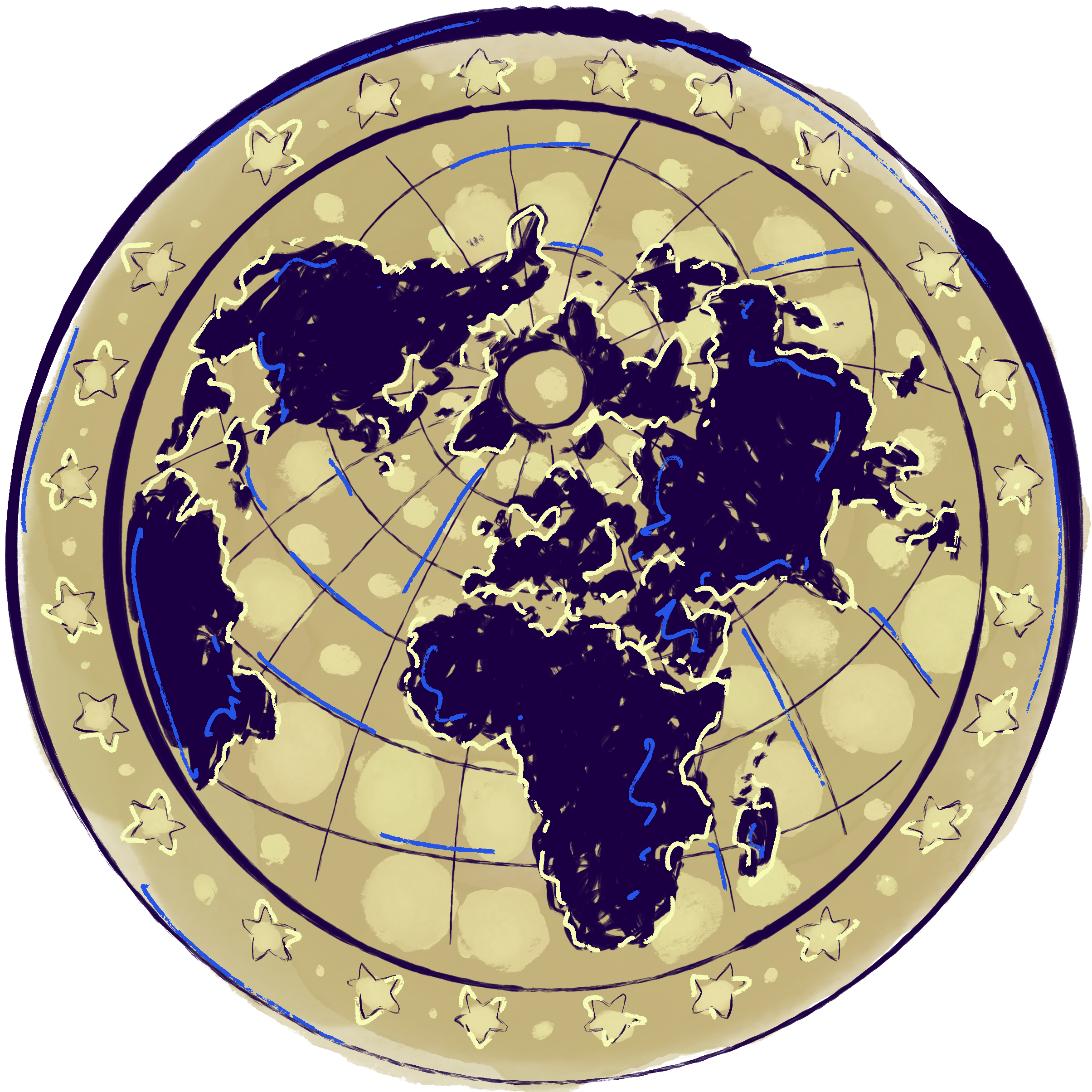
Illustration credit to Suzan Mozak
Every year, the WHO Health Emergency Appeal asks member states, private donors and partner organisations to fund their own operational responses to the most critical health emergencies worldwide. This February, their target was US$1 billion, down from $1.5 billion the previous 2 years and an ambitious $2.5 billion in 20231–4. This appears to come from a forced sense of realism, rather than reflecting the startling abundance of health crises we are currently faced with.
We are now all too familiar with chronically underfunded global health. We also live in a world where the plea for funding during the 2018 Equator Ebola outbreak was not only met but overshot by $6 million5. This stands in stark contrast with funding gathered for the current Bundibygyo outbreak, leaving the WHO with just 40% of its $115 million target6. The exceptionally broad gaps in funding for emergency responses are mirrored across crisis zones and organisations.
Looking at the bigger picture, low-income countries (LICs) and lower-middle income countries (LMICs) have been actively increasing healthcare expenditure by no small feat. Government health expenditure is projected to grow 14% in LICs and 17% in LMICs between 2024-2030, following on from steady growth through 1995-20147,8. At a time where most lower income countries continue to depend on external funding, a lack of consistency from key donors has thrown their efforts at protecting development progress under the bus.
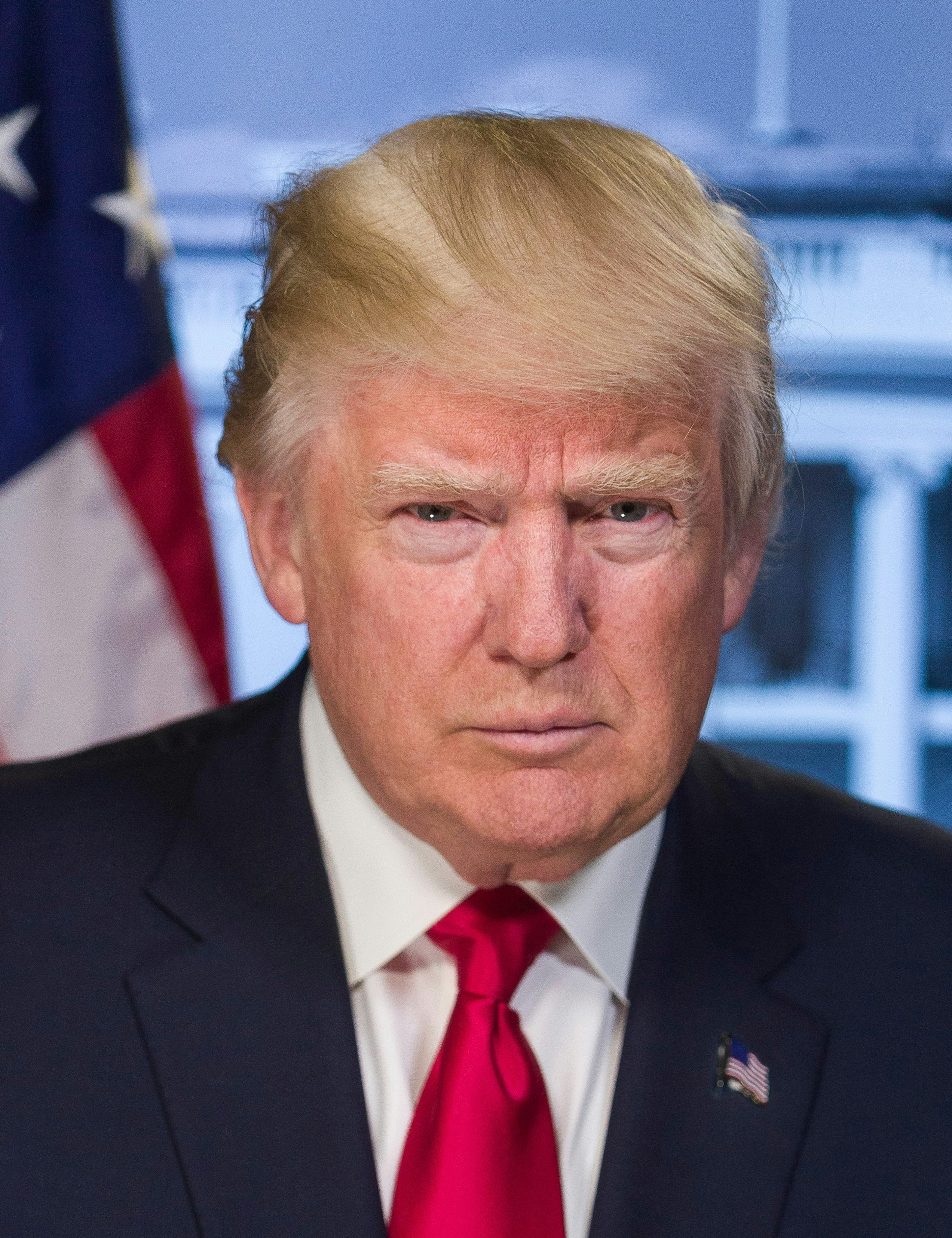
The highest profile funding flip has been the complete destruction of any obligations to the Global Fund or Gavi (The Vaccine Alliance) in the wake of a previously pledged $1.6 billion package over 5 years from the Biden administration9,10. As the top contributor accounting for around 13% of Gavi’s overall budget, this change in United States (US) policy could result in 75 million children missing life-saving vaccinations in the next 5 years alone11,12. The US has been working on bilateral “memoranda of understanding” (MOU) deals in the America First global health strategy, dismantling funding which had remained stable for decades prior.
Controversial conditions of the MOUs include co-financing requirements for recipient countries, promises of up to 25 years of patients’ data, and biological specimen sharing with no intention of giving back the benefits. In the background, the US’s increasingly conservative stance on health affecting reproductive rights and LGBTQ+ communities casts a shadow over recent progression13. A salient example of the US pushing beyond the Global Gag Rule and Helms Amendment – policies preventing funds supporting abortion-related services – is the burning of $10 million worth of contraceptives destined for low-income nations, stating a commitment to “protecting the lives of unborn children around the world”14–16. Even murkier aspects of the States’ tied aid strategy include possibly withholding health assistance from Zambia until deals are signed which provide the USA access to minerals.
With US funding cuts in the limelight, little attention has been paid to the fact that countless other donor countries are following suit. 9 of 10 leading donors have decreased financing pledges to Global Fund, which provides the majority of all financing for tuberculosis and malaria programmes17. Oh, and not to mention that UK is cutting the aid budget by almost half as a proportion of GDP in order to bulk up defence spending18. We are experiencing a climate of unprecedented political unrest, coupled with crumbling aid budgets to pick up the pieces.
It is not all gloomy – the Bill and Melinda Gates Foundation have been steadily and transparently increasing Global Health grants since 2000, and not following the trend set by the US, the only contributor that surpasses it19,20. Although large-scale philanthropic donations can be dependable for eliminating infectious diseases over time, we cannot rely on billionaires to bail us out of global health emergencies with no fail-safe back-up plan.
Impending funding withdrawal coincides with an escalation in the number of people affected by global health emergencies. Quantifying need in global health accurately and actionably is rarely achieved. Global studies of health emergencies show a rise in infectious disease outbreaks since the 1990s. Of particular note, the 87% increase in zoonotic disease outbreaks in the African Region from the 2000s to the 2010s21,22. It is safe to say we will have to play catch-up with financing in subsequent years to maintain preparedness for future outbreaks and avoid cripplingly inadequate response efforts.
Although disaster events and conflicts constitute a minor proportion of reported global health emergencies, the immediate and lasting impact on healthcare in regions affected are profound. UNICEF has reported that more than half of entirely unvaccinated children live in fragile, conflict-affected or vulnerable countries, a result of political upheaval and underfunding23. The current geopolitical instability is likely to create a deluge of demand which would overwhelm funding even before the drastic cuts come into fruition.
Dwindling enthusiasm for funding global health is relatively new. In fact, we are only just moving on from a so-called “golden age” of global health funding. Key drivers included the World Bank 1993 World Development Report, which framed health as a driver of economic development and the advent of Gavi, the Global Fund, and the President’s Emergency Plan for AIDS Relief (PEPFAR) to support cohesive global health programmes24. Much of the success of the early 21st century can be attributed to steadfast leadership and domestic accountability within low- and middle-income countries, which is now threatened by global political instability and massive debt faced by poorer countries in the aftermath of the COVID-19 pandemic.
The impressive expansion in development assistance for health from $5.6 billion in 1990 to $41 billion in 2020 has provided tangible rewards over the years. We famously saw a near-eradication of polio in the early 2000s, providing faith in aid efforts, and more recently a 46% and 49% reduction in deaths from tuberculosis in the WHO African and European regions respectively over the last decade.
The future trajectory of funding for global health is uncertain and depends on how existing and up-and-coming organisations approach bridging gaps. India is setting a precedent for expanding deals across the South, and new players such as the Global Burden of Disease Health Financing Collaborator Network could protect recent progress while diverting from the current landscape24,25. What we can say with confidence is that the instability in funding will substantially both worsen the knock-on effect of short-term emergencies on poorer country’s healthcare and disrupt the delivery of long-term health programmes which we know save countless lives.
WHO faces a 21% budget reduction in the next year at the worst of times26. In the wake of a global pandemic, the midst of an Ebola outbreak, and an ever-increasing risk of climate-related disasters to name a few challenges, we cannot afford to pull back. As with all cloudy days, there comes the question of how long sparse funding will last. Considering post-pandemic burnout and international communication frictions, we do not appear to be in a position to bounce back anytime soon, nor does it feel like a blip. Insights from the Lusaka Agenda tell us the upheaval created by funding cuts could be taken as an opportunity to leave behind fragmented, disease-specific financing, put country leadership at the centre of funding decisions, and align global health organisations striving for the same goals27,28. We will need a cooperative, shrewd response to make the best of an underfunded situation. It remains to be seen who will step up to protect global health – it will most certainly be a test of grit amidst the harsh political climate.
1. Global Health Emergency Appeal – 2023 Appeals. Accessed July 16, 2026. https://www.who.int/emergencies/funding/health-emergency-appeals/2022/2023/2023-appeals
2. 2024. Accessed July 16, 2026. https://www.who.int/emergencies/funding/health-emergency-appeals/2024
3. WHO’s Health Emergency Appeal 2025. Accessed July 16, 2026. https://www.who.int/publications/m/item/who-s-health-emergency-appeal-2025
4. WHO’s Health Emergency Appeal 2026. Accessed July 16, 2026. https://www.who.int/publications/m/item/who-s-health-emergency-appeal-2026
5. Ebola outbreak in DRC ends: WHO calls for international efforts to stop other deadly outbreaks in the country. Accessed July 18, 2026. https://www.who.int/news/item/24-07-2018-ebola-outbreak-in-drc-ends–who-calls-for-international-efforts-to-stop-other-deadly-outbreaks-in-the-country
6. UN Geneva Press Briefing – UNHCR, WHO. UN Transcripts. [object Object]. Accessed July 18, 2026. https://transcripts.un.org/en/briefing/geneva/2026-07-14
7. Government Resources and Projections for Health Series (GRPH): Prospects for Government Health Financing Amidst Declining Aid. World Bank. Accessed July 18, 2026. https://www.worldbank.org/en/topic/health/publication/government-resources-projections-health-financing-report
8. Dieleman J, Campbell M, Chapin A, et al. Evolution and patterns of global health financing 1995–2014: development assistance for health, and government, prepaid private, and out-of-pocket health spending in 184 countries. The Lancet. 2017;389(10083):1981-2004. doi:10.1016/S0140-6736(17)30874-7
9. United States of America | Gavi, the Vaccine Alliance. Accessed July 18, 2026. https://www.gavi.org/investing-gavi/funding/donor-profiles/united-states-america
10. Donald Trump reboots foreign aid with cash-for-data strategy. Financ Times. May 22, 2026. Accessed July 18, 2026. https://www.ft.com/content/f5e1335c-40d1-4bb4-bf8d-d017a95e3b7e?syn-25a6b1a6=1
11. kffannar. The U.S. Government and Gavi, the Vaccine Alliance. KFF. May 4, 2026. Accessed July 23, 2026. https://www.kff.org/global-health-policy/the-u-s-government-gavi-the-vaccine-alliance/
12. Nolen S. U.S. to End Vaccine Funds for Poor Countries. N Y Times. March 26, 2025. Accessed July 23, 2026. https://www.nytimes.com/2025/03/26/health/usaid-cuts-gavi-bird-flu.html
13. Human Rights Assessment of the 2025-2026 US Bilateral Health Agreements | Human Rights Watch. June 8, 2026. Accessed July 18, 2026. https://www.hrw.org/news/2026/06/08/human-rights-assessment-of-the-2025-2026-us-bilateral-health-agreements
14. Fact sheet: The Global Gag Rule and Human Rights. Center for Reproductive Rights. Accessed July 22, 2026. https://reproductiverights.org/resources/fact-sheet-the-global-gag-rule-and-human-rights/
15. Review GP. The Global Gag Rule and the Helms Amendment: Dual Policies, Deadly Impact | Guttmacher Institute. April 27, 2021. Accessed July 22, 2026. https://www.guttmacher.org/fact-sheet/ggr-helms-amendment
16. Nolen S, Smialek J, Wong E. $10 Million in Contraceptives Have Been Destroyed on Orders From Trump Officials. N Y Times. September 11, 2025. Accessed July 22, 2026. https://www.nytimes.com/2025/09/11/health/usaid-contraceptives-destroyed-trump.html
17. Donor Nation Cuts to Global Health Financing Affect Millions | Human Rights Watch. January 22, 2026. Accessed July 18, 2026. https://www.hrw.org/news/2026/01/22/donor-nation-cuts-to-global-health-financing-affect-millions
18. UK officials discuss more aid cuts to help fund higher defence spending. Financ Times. May 22, 2026. Accessed July 18, 2026. https://www.ft.com/content/c98a6356-ea73-4dd4-8886-523a86e340dd?syn-25a6b1a6=1
19. Kennedy J, Thakrar R. Who’s leading WHO? A quantitative analysis of the Bill and Melinda Gates Foundation’s grants to WHO, 2000-2024. BMJ Glob Health. 2025;10(10). doi:10.1136/bmjgh-2024-015343
20. Gates Foundation Committed Grants Database. Accessed July 18, 2026. https://www.gatesfoundation.org/about/committed-grants
21. Liu Q, Liu M, Liang W, et al. Global distribution and health impact of infectious disease outbreaks, 1996–2023: a worldwide retrospective analysis of World Health Organization emergency event reports. J Glob Health. 15:04151. doi:10.7189/jogh.15.04151
22. Koua EL, Njingang JRN, Kimenyi JP, et al. Trends in public health emergencies in the WHO African Region: an analysis of the past two decades public health events from 2001 to 2022. BMJ Glob Health. 2023;8(10). doi:10.1136/bmjgh-2023-012015
23. Global childhood immunization coverage inches forward despite conflict and hesitancy – UNICEF, WHO. Accessed July 18, 2026. https://www.unicef.org/press-releases/global-childhood-immunization-coverage-inches-forward-despite-conflict-and-hesitancy
24. Yach D, Ron A, Nitzan D. The Golden Age of Global Health is Over. What Follows? J Epidemiol Glob Health. 2025;15(1):98. doi:10.1007/s44197-025-00443-5
25. India & UN join forces for South–South Cooperation to accelerate SDGs | United Nations in India. Accessed July 23, 2026. https://india.un.org/en/300195-india-un-join-forces-south%E2%80%93south-cooperation-accelerate-sdgs
26. Fletcher ER. WHO Budget Crisis Bigger Than Previously Thought – $2.5 Billion Gap For 2025-2027 – Health Policy Watch. April 2, 2025. Accessed July 23, 2026. https://healthpolicy-watch.news/who-budget-crisis-bigger-than-previously-thought-2-5-billion-gap-for-2025-2027/
27. The Lusaka Agenda: Conclusions of the Future of Global Health Initiatives Process – FGHI. Accessed July 23, 2026. https://futureofghis.org/final-outputs/lusaka-agenda/
28. Why global health funding cuts offer an opportunity for reform | News. Wellcome. July 2, 2025. Accessed July 23, 2026. https://wellcome.org/insights/articles/why-challenging-global-health-funding-cuts-are-opportunity-reform
Illustration credit to Suzan Mozak
Every year, the WHO Health Emergency Appeal asks member states, private donors and partner organisations to fund their own operational responses to the most critical health emergencies worldwide. This February, their target was US$1 billion, down from $1.5 billion the previous 2 years and an ambitious $2.5 billion in 20231–4. This appears to come from a forced sense of realism, rather than reflecting the startling abundance of health crises we are currently faced with.
We are now all too familiar with chronically underfunded global health. We also live in a world where the plea for funding during the 2018 Equator Ebola outbreak was not only met but overshot by $6 million5. This stands in stark contrast with funding gathered for the current Bundibygyo outbreak, leaving the WHO with just 40% of its $115 million target6. The exceptionally broad gaps in funding for emergency responses are mirrored across crisis zones and organisations.
Looking at the bigger picture, low-income countries (LICs) and lower-middle income countries (LMICs) have been actively increasing healthcare expenditure by no small feat. Government health expenditure is projected to grow 14% in LICs and 17% in LMICs between 2024-2030, following on from steady growth through 1995-20147,8. At a time where most lower income countries continue to depend on external funding, a lack of consistency from key donors has thrown their efforts at protecting development progress under the bus.
The highest profile funding flip has been the complete destruction of any obligations to the Global Fund or Gavi (The Vaccine Alliance) in the wake of a previously pledged $1.6 billion package over 5 years from the Biden administration9,10. As the top contributor accounting for around 13% of Gavi’s overall budget, this change in United States (US) policy could result in 75 million children missing life-saving vaccinations in the next 5 years alone11,12. The US has been working on bilateral “memoranda of understanding” (MOU) deals in the America First global health strategy, dismantling funding which had remained stable for decades prior.
Controversial conditions of the MOUs include co-financing requirements for recipient countries, promises of up to 25 years of patients’ data, and biological specimen sharing with no intention of giving back the benefits. In the background, the US’s increasingly conservative stance on health affecting reproductive rights and LGBTQ+ communities casts a shadow over recent progression13. A salient example of the US pushing beyond the Global Gag Rule and Helms Amendment – policies preventing funds supporting abortion-related services – is the burning of $10 million worth of contraceptives destined for low-income nations, stating a commitment to “protecting the lives of unborn children around the world”14–16. Even murkier aspects of the States’ tied aid strategy include possibly withholding health assistance from Zambia until deals are signed which provide the USA access to minerals.
With US funding cuts in the limelight, little attention has been paid to the fact that countless other donor countries are following suit. 9 of 10 leading donors have decreased financing pledges to Global Fund, which provides the majority of all financing for tuberculosis and malaria programmes17. Oh, and not to mention that UK is cutting the aid budget by almost half as a proportion of GDP in order to bulk up defence spending18. We are experiencing a climate of unprecedented political unrest, coupled with crumbling aid budgets to pick up the pieces.
It is not all gloomy – the Bill and Melinda Gates Foundation have been steadily and transparently increasing Global Health grants since 2000, and not following the trend set by the US, the only contributor that surpasses it19,20. Although large-scale philanthropic donations can be dependable for eliminating infectious diseases over time, we cannot rely on billionaires to bail us out of global health emergencies with no fail-safe back-up plan.
Impending funding withdrawal coincides with an escalation in the number of people affected by global health emergencies. Quantifying need in global health accurately and actionably is rarely achieved. Global studies of health emergencies show a rise in infectious disease outbreaks since the 1990s. Of particular note, the 87% increase in zoonotic disease outbreaks in the African Region from the 2000s to the 2010s21,22. It is safe to say we will have to play catch-up with financing in subsequent years to maintain preparedness for future outbreaks and avoid cripplingly inadequate response efforts.
Although disaster events and conflicts constitute a minor proportion of reported global health emergencies, the immediate and lasting impact on healthcare in regions affected are profound. UNICEF has reported that more than half of entirely unvaccinated children live in fragile, conflict-affected or vulnerable countries, a result of political upheaval and underfunding23. The current geopolitical instability is likely to create a deluge of demand which would overwhelm funding even before the drastic cuts come into fruition.
Dwindling enthusiasm for funding global health is relatively new. In fact, we are only just moving on from a so-called “golden age” of global health funding. Key drivers included the World Bank 1993 World Development Report, which framed health as a driver of economic development and the advent of Gavi, the Global Fund, and the President’s Emergency Plan for AIDS Relief (PEPFAR) to support cohesive global health programmes24. Much of the success of the early 21st century can be attributed to steadfast leadership and domestic accountability within low- and middle-income countries, which is now threatened by global political instability and massive debt faced by poorer countries in the aftermath of the COVID-19 pandemic.
The impressive expansion in development assistance for health from $5.6 billion in 1990 to $41 billion in 2020 has provided tangible rewards over the years. We famously saw a near-eradication of polio in the early 2000s, providing faith in aid efforts, and more recently a 46% and 49% reduction in deaths from tuberculosis in the WHO African and European regions respectively over the last decade.
The future trajectory of funding for global health is uncertain and depends on how existing and up-and-coming organisations approach bridging gaps. India is setting a precedent for expanding deals across the South, and new players such as the Global Burden of Disease Health Financing Collaborator Network could protect recent progress while diverting from the current landscape24,25. What we can say with confidence is that the instability in funding will substantially both worsen the knock-on effect of short-term emergencies on poorer country’s healthcare and disrupt the delivery of long-term health programmes which we know save countless lives.
WHO faces a 21% budget reduction in the next year at the worst of times26. In the wake of a global pandemic, the midst of an Ebola outbreak, and an ever-increasing risk of climate-related disasters to name a few challenges, we cannot afford to pull back. As with all cloudy days, there comes the question of how long sparse funding will last. Considering post-pandemic burnout and international communication frictions, we do not appear to be in a position to bounce back anytime soon, nor does it feel like a blip. Insights from the Lusaka Agenda tell us the upheaval created by funding cuts could be taken as an opportunity to leave behind fragmented, disease-specific financing, put country leadership at the centre of funding decisions, and align global health organisations striving for the same goals27,28. We will need a cooperative, shrewd response to make the best of an underfunded situation. It remains to be seen who will step up to protect global health – it will most certainly be a test of grit amidst the harsh political climate.
1. Global Health Emergency Appeal – 2023 Appeals. Accessed July 16, 2026. https://www.who.int/emergencies/funding/health-emergency-appeals/2022/2023/2023-appeals
2. 2024. Accessed July 16, 2026. https://www.who.int/emergencies/funding/health-emergency-appeals/2024
3. WHO’s Health Emergency Appeal 2025. Accessed July 16, 2026. https://www.who.int/publications/m/item/who-s-health-emergency-appeal-2025
4. WHO’s Health Emergency Appeal 2026. Accessed July 16, 2026. https://www.who.int/publications/m/item/who-s-health-emergency-appeal-2026
5. Ebola outbreak in DRC ends: WHO calls for international efforts to stop other deadly outbreaks in the country. Accessed July 18, 2026. https://www.who.int/news/item/24-07-2018-ebola-outbreak-in-drc-ends–who-calls-for-international-efforts-to-stop-other-deadly-outbreaks-in-the-country
6. UN Geneva Press Briefing – UNHCR, WHO. UN Transcripts. [object Object]. Accessed July 18, 2026. https://transcripts.un.org/en/briefing/geneva/2026-07-14
7. Government Resources and Projections for Health Series (GRPH): Prospects for Government Health Financing Amidst Declining Aid. World Bank. Accessed July 18, 2026. https://www.worldbank.org/en/topic/health/publication/government-resources-projections-health-financing-report
8. Dieleman J, Campbell M, Chapin A, et al. Evolution and patterns of global health financing 1995–2014: development assistance for health, and government, prepaid private, and out-of-pocket health spending in 184 countries. The Lancet. 2017;389(10083):1981-2004. doi:10.1016/S0140-6736(17)30874-7
9. United States of America | Gavi, the Vaccine Alliance. Accessed July 18, 2026. https://www.gavi.org/investing-gavi/funding/donor-profiles/united-states-america
10. Donald Trump reboots foreign aid with cash-for-data strategy. Financ Times. May 22, 2026. Accessed July 18, 2026. https://www.ft.com/content/f5e1335c-40d1-4bb4-bf8d-d017a95e3b7e?syn-25a6b1a6=1
11. kffannar. The U.S. Government and Gavi, the Vaccine Alliance. KFF. May 4, 2026. Accessed July 23, 2026. https://www.kff.org/global-health-policy/the-u-s-government-gavi-the-vaccine-alliance/
12. Nolen S. U.S. to End Vaccine Funds for Poor Countries. N Y Times. March 26, 2025. Accessed July 23, 2026. https://www.nytimes.com/2025/03/26/health/usaid-cuts-gavi-bird-flu.html
13. Human Rights Assessment of the 2025-2026 US Bilateral Health Agreements | Human Rights Watch. June 8, 2026. Accessed July 18, 2026. https://www.hrw.org/news/2026/06/08/human-rights-assessment-of-the-2025-2026-us-bilateral-health-agreements
14. Fact sheet: The Global Gag Rule and Human Rights. Center for Reproductive Rights. Accessed July 22, 2026. https://reproductiverights.org/resources/fact-sheet-the-global-gag-rule-and-human-rights/
15. Review GP. The Global Gag Rule and the Helms Amendment: Dual Policies, Deadly Impact | Guttmacher Institute. April 27, 2021. Accessed July 22, 2026. https://www.guttmacher.org/fact-sheet/ggr-helms-amendment
16. Nolen S, Smialek J, Wong E. $10 Million in Contraceptives Have Been Destroyed on Orders From Trump Officials. N Y Times. September 11, 2025. Accessed July 22, 2026. https://www.nytimes.com/2025/09/11/health/usaid-contraceptives-destroyed-trump.html
17. Donor Nation Cuts to Global Health Financing Affect Millions | Human Rights Watch. January 22, 2026. Accessed July 18, 2026. https://www.hrw.org/news/2026/01/22/donor-nation-cuts-to-global-health-financing-affect-millions
18. UK officials discuss more aid cuts to help fund higher defence spending. Financ Times. May 22, 2026. Accessed July 18, 2026. https://www.ft.com/content/c98a6356-ea73-4dd4-8886-523a86e340dd?syn-25a6b1a6=1
19. Kennedy J, Thakrar R. Who’s leading WHO? A quantitative analysis of the Bill and Melinda Gates Foundation’s grants to WHO, 2000-2024. BMJ Glob Health. 2025;10(10). doi:10.1136/bmjgh-2024-015343
20. Gates Foundation Committed Grants Database. Accessed July 18, 2026. https://www.gatesfoundation.org/about/committed-grants
21. Liu Q, Liu M, Liang W, et al. Global distribution and health impact of infectious disease outbreaks, 1996–2023: a worldwide retrospective analysis of World Health Organization emergency event reports. J Glob Health. 15:04151. doi:10.7189/jogh.15.04151
22. Koua EL, Njingang JRN, Kimenyi JP, et al. Trends in public health emergencies in the WHO African Region: an analysis of the past two decades public health events from 2001 to 2022. BMJ Glob Health. 2023;8(10). doi:10.1136/bmjgh-2023-012015
23. Global childhood immunization coverage inches forward despite conflict and hesitancy – UNICEF, WHO. Accessed July 18, 2026. https://www.unicef.org/press-releases/global-childhood-immunization-coverage-inches-forward-despite-conflict-and-hesitancy
24. Yach D, Ron A, Nitzan D. The Golden Age of Global Health is Over. What Follows? J Epidemiol Glob Health. 2025;15(1):98. doi:10.1007/s44197-025-00443-5
25. India & UN join forces for South–South Cooperation to accelerate SDGs | United Nations in India. Accessed July 23, 2026. https://india.un.org/en/300195-india-un-join-forces-south%E2%80%93south-cooperation-accelerate-sdgs
26. Fletcher ER. WHO Budget Crisis Bigger Than Previously Thought – $2.5 Billion Gap For 2025-2027 – Health Policy Watch. April 2, 2025. Accessed July 23, 2026. https://healthpolicy-watch.news/who-budget-crisis-bigger-than-previously-thought-2-5-billion-gap-for-2025-2027/
27. The Lusaka Agenda: Conclusions of the Future of Global Health Initiatives Process – FGHI. Accessed July 23, 2026. https://futureofghis.org/final-outputs/lusaka-agenda/
28. Why global health funding cuts offer an opportunity for reform | News. Wellcome. July 2, 2025. Accessed July 23, 2026. https://wellcome.org/insights/articles/why-challenging-global-health-funding-cuts-are-opportunity-reform