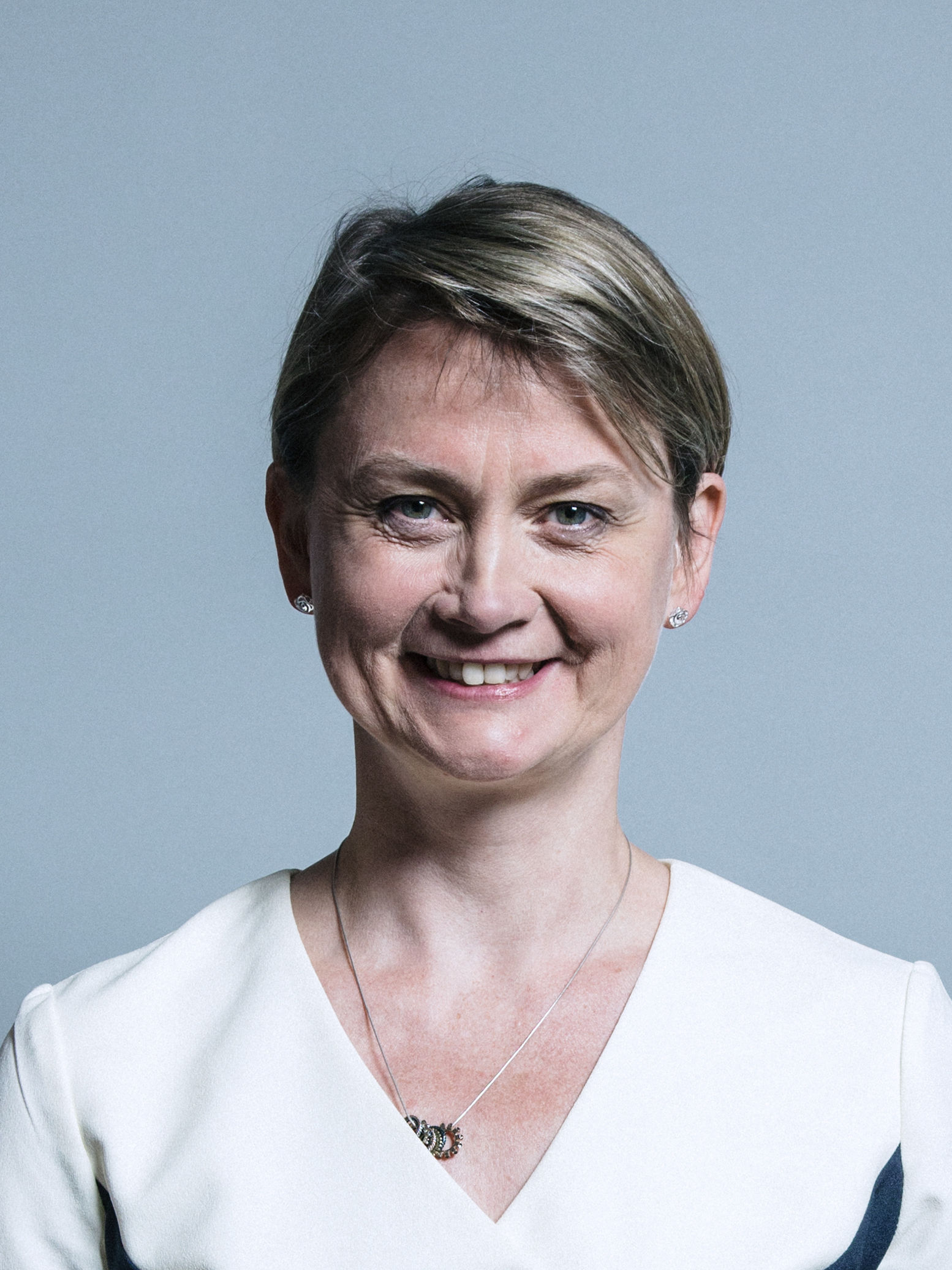
Chris McAndrew, CC BY 3.0 https://creativecommons.org/licenses/by/3.0, via Wikimedia Commons
‘The NHS will collapse under the weight of trying to care for people’, warned Prime Minister Andy Burnham in his first major interview since taking office. Working alongside new health secretary Yvette Cooper, the duo inherit the same issues faced by the Streeting-Starmer axis, but they have announced a series of reforms to social care and maternity services. Could their reorientation be the silver bullet needed to fix a declining NHS?
Social care is not a new issue for Andy Burnham. As health secretary in 2009, he proposed the National Care Service, mirrored on the NHS. By making up to 400,000 older and disabled people eligible for free social care, the programme would have transformed Britain’s social care system by completely removing the cost barriers that deterred so many. Around 1 in 7 people will face a lifetime care cost in excess of £100,000 – and issues with the social care system do not occur in isolation. According to Lord Darzi’s 2024 report, up to 13% of hospital beds are occupied by those awaiting social support or care, producing a knock-on cost to the NHS of £1.89 billion. In terms of ambulances and A&E departments, deterrence from adequate social care leads to injuries, delayed treatment, and ambulance callouts for non-emergencies – all creating avoidable costs to the NHS.
Of course, the NCS was promptly scrapped under the Cameron-Clegg coalition’s policy of austerity, but Burnham’s interest in social care reform is still apparent. Since becoming PM, he has brought the Casey report on social care forward by a year, met with leaders across the political spectrum to create consensus on the matter, and spoken about the need for a ‘person-centred’ approach which is ‘preventative in its character’. The Darzi report highlights the need for social care reform to free up money and resources for other parts of the NHS, and Burnham appears to be making moves in this direction. Whether or not this appearance actually results in structural reform is yet to be seen.
Social care is not the only focus of the Burnham government. Following a series of maternity scandals, Baroness Amos’s report published in June has highlighted that drastic change is needed. By putting a spotlight on key issues including understaffing, a culture of ignoring women’s concerns, and a lack of empathy across maternity wards, the report shows a system ‘not fit for purpose’. Former junior health minister Yvette Cooper, the first ever minister to take maternity leave in 2001, appears to have taken notice. The Balliol alumna told the Guardian she was undertaking a ‘personal crusade’ to make the ‘very beginning of a family’s life much more central to the priorities of the NHS’. As a junior minister, she helped to implement Sure Start, with a clear focus on early-year’s support; another programme crippled by austerity, but one restored under Starmer. On maternity, Cooper has made clear a desire to introduce national standards to end a postcode lottery of care, tackle racial inequality in care, and begin using patient experience in standards measures. She aims to achieve these goals alongside building a long-lasting national consensus on early years reform to create deep-rooted change.
Whilst social care and maternity reform are longer-term projects, these have largely been eclipsed in recent days by the the heat. This summer is projected to have seen the highest number of heat-related deaths in England ever recorded, with the figure at almost 3,000 for May and June. Due to the climate crisis, hot summers will only become more frequent, with Cooper stating that the NHS needs to ‘prepare for summer pressures’ like it does for the winter. The Climate Change Committee’s report in May warned of the immediate need to invest in active cooling for hospitals and care homes, but so far, Cooper’s public actions on these issues have not gone further than words.
This government isn’t starting with a blank slate; they inherit both the successes and failures of Wes Streeting and James Murray’s (brief) time in office. Whilst the Starmer premiership saw the best A&E and ambulance wait times since 2021, this follows over a decade of seismic decline, and there is much work still to be done. Streeting did put modernisation at the heart of his NHS project, cutting bureaucracy by dissolving NHS England and centralising NHS control, expanding the role of the NHS app, and shifting patient contact into community settings such as pharmacies. Tangibly, his success is shown through the fact that 98% of GP surgeries now offer online appointments.
Despite their successes, the Starmer government oversaw 21 strike days from resident doctors in their last year in office, in the face of pay rises across three consecutive years (the largest salary increases across the public sector). The BMA argues pay restoration to 2008/9 levels is necessary, as well as measures to control training post competition and working conditions. GPs and resident doctors are still currently in dispute with the new government, and consultants already have a mandate to strike if the BMA deems it necessary. Moreover, the new government will have to see the findings of the Leng Review published last year through, with the Starmer government accepting recommendations to rename physician associates, whilst narrowing their scope and requiring the GMC to set professional reaccreditation standards for physician associates.
Andy Burnham and Yvette Cooper are returning to their areas of experience, placing social care and maternity reform as the primary means of improving the NHS. Although their reforms could have long-overdue benefits, they will also need to continue the work of the Starmer government on modernising the healthcare system, improving waiting times, and monitoring the role of PAs – all whilst avoiding the web of BMA disputes that entangled Wes Streeting. The success of the Burnham-Cooper partnership will depend on whether they can turn long-sought reforms into meaningful improvements, concurrent to maintaining the momentum and resolving the issues they have inherited.
Chris McAndrew, CC BY 3.0 https://creativecommons.org/licenses/by/3.0, via Wikimedia Commons
‘The NHS will collapse under the weight of trying to care for people’, warned Prime Minister Andy Burnham in his first major interview since taking office. Working alongside new health secretary Yvette Cooper, the duo inherit the same issues faced by the Streeting-Starmer axis, but they have announced a series of reforms to social care and maternity services. Could their reorientation be the silver bullet needed to fix a declining NHS?
Social care is not a new issue for Andy Burnham. As health secretary in 2009, he proposed the National Care Service, mirrored on the NHS. By making up to 400,000 older and disabled people eligible for free social care, the programme would have transformed Britain’s social care system by completely removing the cost barriers that deterred so many. Around 1 in 7 people will face a lifetime care cost in excess of £100,000 – and issues with the social care system do not occur in isolation. According to Lord Darzi’s 2024 report, up to 13% of hospital beds are occupied by those awaiting social support or care, producing a knock-on cost to the NHS of £1.89 billion. In terms of ambulances and A&E departments, deterrence from adequate social care leads to injuries, delayed treatment, and ambulance callouts for non-emergencies – all creating avoidable costs to the NHS.
Of course, the NCS was promptly scrapped under the Cameron-Clegg coalition’s policy of austerity, but Burnham’s interest in social care reform is still apparent. Since becoming PM, he has brought the Casey report on social care forward by a year, met with leaders across the political spectrum to create consensus on the matter, and spoken about the need for a ‘person-centred’ approach which is ‘preventative in its character’. The Darzi report highlights the need for social care reform to free up money and resources for other parts of the NHS, and Burnham appears to be making moves in this direction. Whether or not this appearance actually results in structural reform is yet to be seen.
Social care is not the only focus of the Burnham government. Following a series of maternity scandals, Baroness Amos’s report published in June has highlighted that drastic change is needed. By putting a spotlight on key issues including understaffing, a culture of ignoring women’s concerns, and a lack of empathy across maternity wards, the report shows a system ‘not fit for purpose’. Former junior health minister Yvette Cooper, the first ever minister to take maternity leave in 2001, appears to have taken notice. The Balliol alumna told the Guardian she was undertaking a ‘personal crusade’ to make the ‘very beginning of a family’s life much more central to the priorities of the NHS’. As a junior minister, she helped to implement Sure Start, with a clear focus on early-year’s support; another programme crippled by austerity, but one restored under Starmer. On maternity, Cooper has made clear a desire to introduce national standards to end a postcode lottery of care, tackle racial inequality in care, and begin using patient experience in standards measures. She aims to achieve these goals alongside building a long-lasting national consensus on early years reform to create deep-rooted change.
Whilst social care and maternity reform are longer-term projects, these have largely been eclipsed in recent days by the the heat. This summer is projected to have seen the highest number of heat-related deaths in England ever recorded, with the figure at almost 3,000 for May and June. Due to the climate crisis, hot summers will only become more frequent, with Cooper stating that the NHS needs to ‘prepare for summer pressures’ like it does for the winter. The Climate Change Committee’s report in May warned of the immediate need to invest in active cooling for hospitals and care homes, but so far, Cooper’s public actions on these issues have not gone further than words.
This government isn’t starting with a blank slate; they inherit both the successes and failures of Wes Streeting and James Murray’s (brief) time in office. Whilst the Starmer premiership saw the best A&E and ambulance wait times since 2021, this follows over a decade of seismic decline, and there is much work still to be done. Streeting did put modernisation at the heart of his NHS project, cutting bureaucracy by dissolving NHS England and centralising NHS control, expanding the role of the NHS app, and shifting patient contact into community settings such as pharmacies. Tangibly, his success is shown through the fact that 98% of GP surgeries now offer online appointments.
Despite their successes, the Starmer government oversaw 21 strike days from resident doctors in their last year in office, in the face of pay rises across three consecutive years (the largest salary increases across the public sector). The BMA argues pay restoration to 2008/9 levels is necessary, as well as measures to control training post competition and working conditions. GPs and resident doctors are still currently in dispute with the new government, and consultants already have a mandate to strike if the BMA deems it necessary. Moreover, the new government will have to see the findings of the Leng Review published last year through, with the Starmer government accepting recommendations to rename physician associates, whilst narrowing their scope and requiring the GMC to set professional reaccreditation standards for physician associates.
Andy Burnham and Yvette Cooper are returning to their areas of experience, placing social care and maternity reform as the primary means of improving the NHS. Although their reforms could have long-overdue benefits, they will also need to continue the work of the Starmer government on modernising the healthcare system, improving waiting times, and monitoring the role of PAs – all whilst avoiding the web of BMA disputes that entangled Wes Streeting. The success of the Burnham-Cooper partnership will depend on whether they can turn long-sought reforms into meaningful improvements, concurrent to maintaining the momentum and resolving the issues they have inherited.